

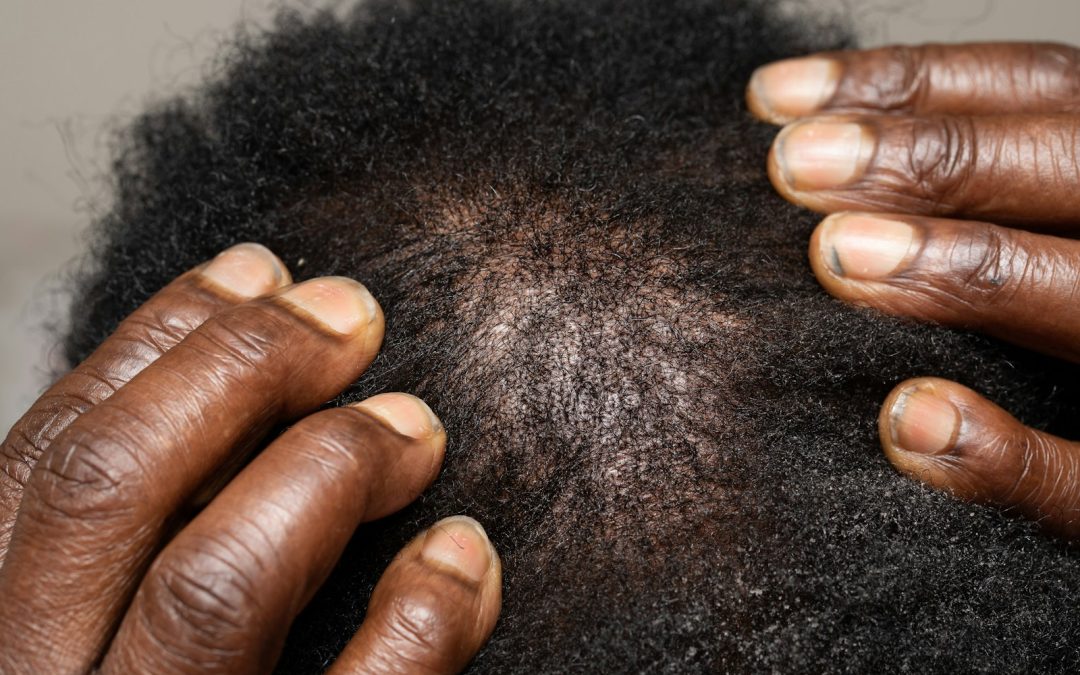
Noticing your hair thinning can be upsetting, whether it is a widening parting or simply less volume. PRP for hair loss uses a concentrate prepared from your own blood to support the scalp and hair follicles. We offer it at our doctor-led clinic in Ipswich, for men and women over 18.
What is PRP?
PRP stands for platelet-rich plasma. It is an autologous treatment, which means it comes from your own body. First, we take a small sample of your blood. Then a machine called a centrifuge spins it to separate the platelet-rich plasma.
Platelets are best known for their role in healing, and they contain natural growth factors. So the aim of PRP is to concentrate these and place them in the scalp.
What can PRP for hair loss help with?
PRP is mainly used for thinning hair. It generally works best where hair is thinning but follicles are still active. However, it is less likely to help where hair has been lost completely for a long time.
PRP is also used for some skin concerns, such as dark circles, fine lines, dull complexion and scarring. This article focuses on hair. For skin, see our guide to choosing the right skin booster.
How does it work?
PRP amplifies the natural growth factors your body already produces. Once injected into the scalp, these are thought to support the hair follicles. Over time, this may encourage healthier, thicker-looking hair. In addition, because PRP comes from your own blood, the risk of an allergic reaction to it is low.
Results vary, and PRP does not work for everyone. It can help some types of hair loss more than others, so an assessment comes first.
Your PRP appointment in Ipswich
Consultation first
Hair loss has many possible causes. These include genetics, hormones, stress, illness, nutrition and some medical conditions. The NHS gives a clear overview of common causes of hair loss.
At your consultation, we ask about your hair loss, your general health and any medicines you take. We also look at your scalp. In some cases, we may suggest blood tests through our private GP services to look for an underlying cause. After that, we agree a personalised plan.
The treatment
First, we take a small amount of blood from your arm, much like a routine blood test. While it is prepared in the centrifuge, we cleanse your scalp. Then we inject the PRP into the thinning areas with a very fine needle.
How long it takes and how it feels
Allow around 45 minutes to an hour for the whole appointment. Most people feel pinching or stinging during the scalp injections. Comfort varies, so we discuss ways to keep you as comfortable as possible.
Downtime and aftercare
Most people return to normal activities the same day. Your scalp may feel tender, tight or slightly swollen for a day or two. There may also be mild bruising where we took the blood.
For the first day or so, we usually advise you to:
- Avoid washing your hair for several hours, or as directed
- Avoid strenuous exercise, saunas, steam rooms and alcohol
- Avoid hair dyes and harsh hair treatments for a few days
- Avoid rubbing or scratching the scalp
How many sessions, and when will I see results?
PRP for hair loss is usually given as a course. Many people start with three or four sessions, roughly a month apart. After that, maintenance treatments may follow every few months to once a year. Your practitioner will advise, depending on how your hair responds.
Hair grows slowly, so patience is important. Less shedding or fuller-looking hair usually takes several months to notice. Results vary, and PRP works best as part of a wider plan for your hair and scalp.
Is PRP for hair loss right for me?
PRP may suit adults with early or moderate thinning. However, it may not be suitable, or you may need to wait, if you:
- Are pregnant or breastfeeding
- Have a blood or platelet disorder
- Take medicines that thin the blood or affect clotting (we may also ask you to avoid anti-inflammatory painkillers, such as ibuprofen, for a few days before, if that is safe for you)
- Have anaemia or a low platelet count
- Have an active scalp infection or skin condition in the area
- Are having cancer treatment, or have certain other medical conditions
- Are unwell or have a fever on the day
If your hair loss is sudden, patchy or comes with other symptoms, please see a doctor. A private GP health check can be a good starting point. We will be honest if we think PRP is unlikely to help.
PRP prices in Ipswich
PRP for thinning hair starts from £200 (see our pricing page for the latest). A consultation (£30) comes first, so we can assess your hair loss and check suitability. You can also browse all our injectable treatments.
Frequently asked questions
Is PRP suitable for men and women?
Yes. PRP can be used for thinning hair in both men and women. Suitability depends on the cause and pattern of your hair loss.
Will PRP stop my hair loss completely?
No treatment can promise that. PRP may support the hair you have and encourage fuller-looking growth. However, results vary and maintenance sessions are usually needed.
Is it safe to use my own blood?
Because PRP comes from your own body, the risk of an allergic reaction to it is low. However, side effects are still possible, such as tenderness, bruising or, rarely, infection. We talk these through with you.
Can PRP help my skin too?
PRP is also used for some skin concerns. Alternatively, polynucleotides may suit thin or tired-looking skin. We can advise at your consultation.
Book your consultation
If thinning hair is affecting your confidence, we are here to help. Visit us at our clinic at 5 The Walk, Ipswich IP1 1EA.
Book your consultation online, call 01473 948 271 or message us on WhatsApp on 07938 168 157.
Support your results at home
- Obagi Nu-Cil Biostim Scalp Serum: a cosmetic scalp serum to support a healthy-looking scalp and fuller-looking hair between sessions.
- Obagi Nu-Cil Hair Growth System Kit: the scalp serum plus brow and lash serums, if you would also like fuller-looking brows and lashes.
Skincare advice in your inbox
Treatment guides, expert skincare tips and clinic news. No spam, unsubscribe any time.
By subscribing you agree to receive emails from Dr Skin Central.